
Find the cause, choose the right next step, and make your home more comfortable. Compare maintenance, replacement signs, and the details to discuss with your local team.
YOUR DOOR & WINDOW OFFER
+ an Additional $250 Off Your Entire Project
ProVia products only. Offer ends November 30, 2026. Ask our team about qualifying products, eligibility, and applicable terms.
Service and personal attention.
Guidance through your project.
A team focused on your home.
Careful measurements and fitting.
Compare complete-product ratings.
Read feedback from customers.
A draft does not automatically mean you need new doors or windows. A worn seal may be fixable. A damaged frame, repeated performance problems, or an opening that no longer works well may need a broader solution.
Start with comfort, then consider energy performance, appearance, and ease of operation. A careful assessment can help you spend where it makes the most difference.
A room can feel chilly even when the thermostat seems comfortable. Before choosing a product, separate two common causes: outside air entering through a gap and discomfort beside a cold surface.
Worn seals or gaps around a frame can let air move through the opening. Notice whether the problem changes on windy days and whether it is strongest at the sill, corners, or meeting rails.
You can also feel cold beside glass without an obvious leak. ENERGY STAR explains that efficient windows can keep the interior glass surface warmer in cold weather. A better glass package and a tighter air seal address different parts of comfort.
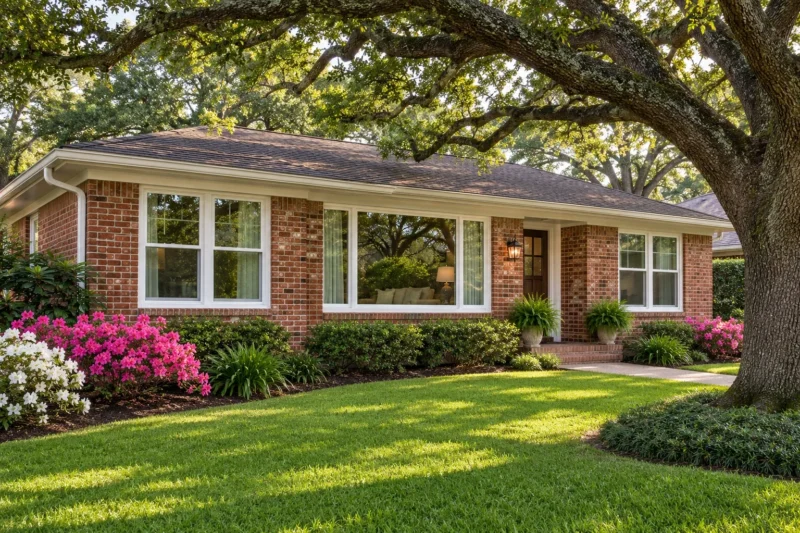
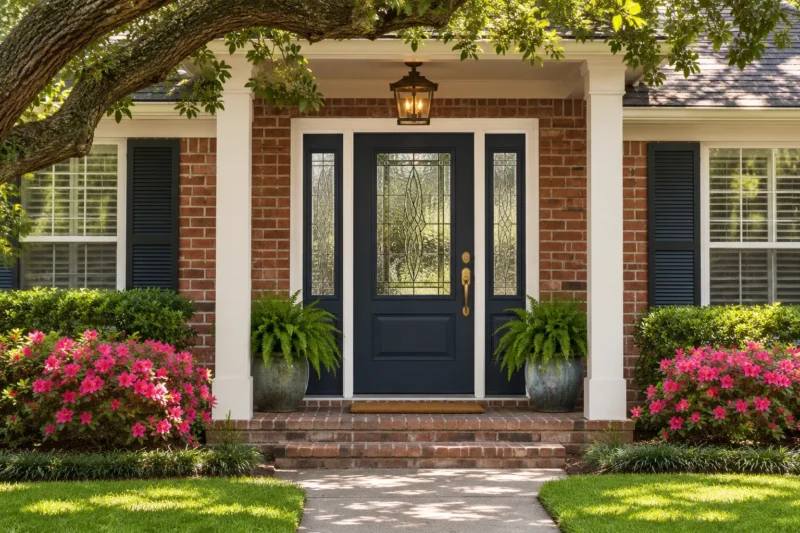
Your entry door should close securely and feel comfortable to use every day. Start with the door, frame, threshold, and hardware together.
A sound door with a worn sweep may need maintenance. A damaged door and frame with recurring issues may justify comparing replacement systems.
Look for a pattern rather than relying on age alone. One sticky sash and several damaged frames may call for very different solutions.
Moisture on the indoor surface is different from fog trapped between panes. Indoor humidity and cold glass can contribute to surface condensation. Persistent moisture between sealed panes may point to a glass-unit seal problem. Have the location and cause checked before deciding what to replace.
A patio door combines a large glass area with an opening your household may use every day. Check the glass, frame, seals, lock, and threshold as a complete system.
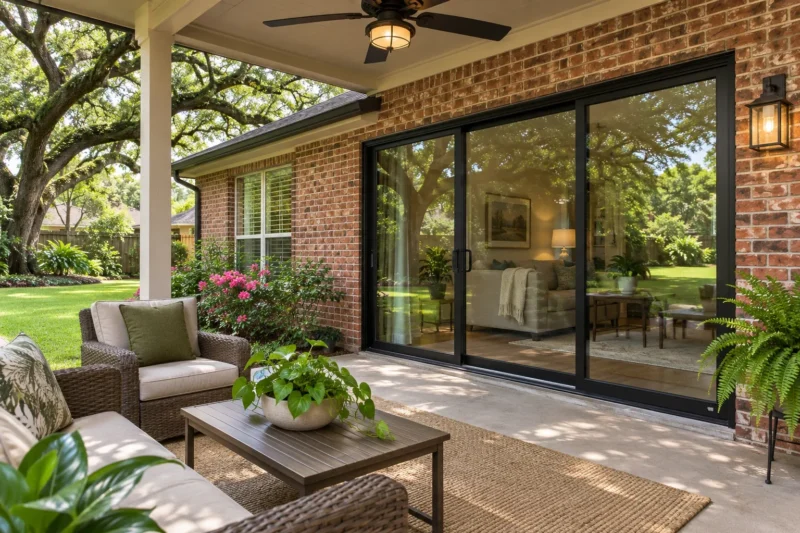
Debris in the track, worn rollers, and alignment concerns can affect operation. Follow the manufacturer’s maintenance instructions and have damaged parts checked. If the frame is deteriorating or several problems keep returning, compare replacement options.
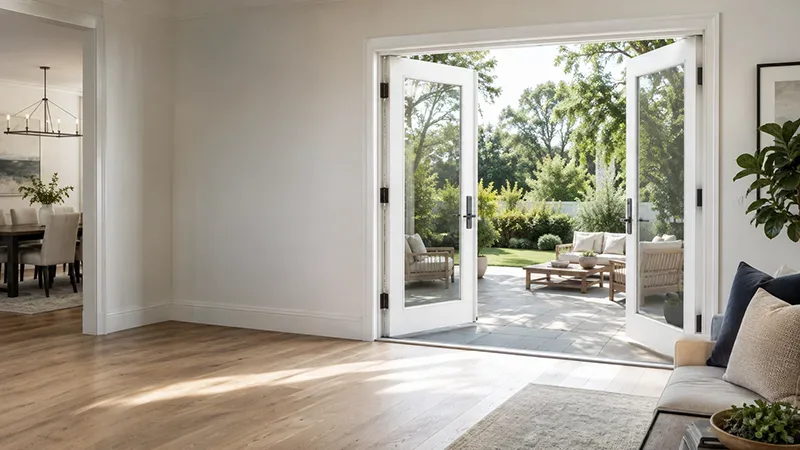
Check weatherstripping, hinge alignment, and the seal where the door meets the threshold. A door should close and lock without excessive force. When replacing it, consider swing clearance, glass performance, and the way you use the outdoor space.
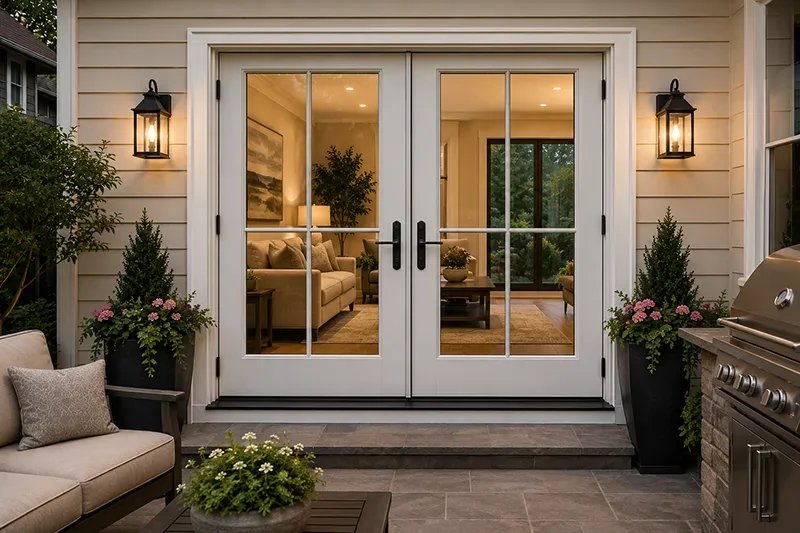
French patio doors bring a classic paired-door look and a wide connection to your outdoor space. Compare glass, grille patterns, finishes, and swing clearance, and check the seals and hardware when considering replacement.

Slide & Stack systems move individual glass panels along a track and stack them to the side for a flexible indoor-outdoor opening. Compare the opening size, panel configuration, weather protection, and installation requirements for your home.
A draft is a reason to investigate, not an automatic reason to replace everything. The Building America Solution Center explains that weatherstripping can reduce leakage at operable windows and doors. The condition of the opening still matters.
Explore weatherstripping guidance from the Building America Solution Center.
Choose ENERGY STAR certified configurations for your climate zone. Review the NFRC label for the exact unit: U-factor describes heat transfer, while solar heat gain coefficient helps compare solar heat entry. Your local team can explain how the ratings relate to your opening.
Compare insulated glass packages, frame or door materials, finish choices, privacy, and hardware. Think about how each room is used and whether you want a different opening style.
Accurate measurement, appropriate air sealing, water management, and manufacturer instructions matter. Ask what the installation includes, how the existing opening will be assessed, and which product and labor warranties apply.
Compare styles, glass, finishes, and installation options for your home.
Compare styles, glass, finishes, and installation options for your home.
Compare styles, glass, finishes, and installation options for your home.
PLAN WITH YOUR LOCAL TEAM
Note when each room feels uncomfortable, where you see moisture, and which doors or windows are difficult to operate. Photos and a list of previous repairs can help our team discuss the next step.
Explore our Houston location for local product guidance and consultation details.
No. Worn weatherstripping, a loose sweep, or a small sealing gap may be repairable. Look at the condition of the entire unit and whether the improvement lasts before choosing replacement.
You may be feeling an air leak, or heat moving from your body toward cold glass. These are different problems. A professional assessment can help identify which is affecting your room.
It can help when the frame and moving parts are sound and the leak is at a worn seal. Choose compatible material that allows the door or window to close and lock properly.
Not automatically. Moisture on the room-side surface can relate to indoor humidity and glass temperature. Persistent fog between sealed panes may indicate an insulated-glass seal issue. Identify where the moisture is forming first.
If the frame and operation are sound, a glass-unit repair may be worth evaluating. A damaged frame, repeated leaks, or several performance problems may make a complete replacement more practical.
Hinges, alignment, hardware, swelling, or movement around the opening may be involved. Have the cause checked rather than forcing the door or assuming a new slab will solve it.
Yes. Weather seals, meeting rails, the threshold, alignment, and the installation perimeter all deserve attention. Sliding and hinged doors need different adjustments and maintenance.
The best package depends on your climate, opening, comfort goals, and budget. Compare the performance ratings of the complete product rather than pane count alone.
Look for ENERGY STAR certification appropriate to your climate and review the NFRC ratings for the exact configuration. Discuss U-factor, solar heat gain, and installation with your local team.
It may reduce unwanted heat transfer and air leakage, but results depend on the existing products, installation, climate, utility costs, and the rest of your home. Avoid treating any estimate as a guaranteed saving.
Not necessarily. You can prioritize the openings with the greatest comfort, condition, or operation concerns and discuss a phased project that fits your plans.
Note which rooms feel uncomfortable, when drafts occur, where moisture appears, and which units are hard to operate. Photos and a list of priorities can help the team discuss appropriate options.
Keep planning with these guides and local Houston resources.
Plan replacement windows room by room. Compare operating styles, glass, energy ratings, finishes, installation, and questions to ask your local team.
Compare fiberglass and steel entry doors, including appearance, care, glass, energy ratings, installation, and the questions to ask before choosing.
Compare sliding and hinged patio doors for swing clearance, patio layout, glass, everyday operation, installation scope, and the right fit for your home.
Explore door and window options and connect with our Houston team.
Tell Durable Doors & Windows which rooms feel drafty, which openings are hard to use, and what you would like to improve. We can help you compare the next steps for your home.
