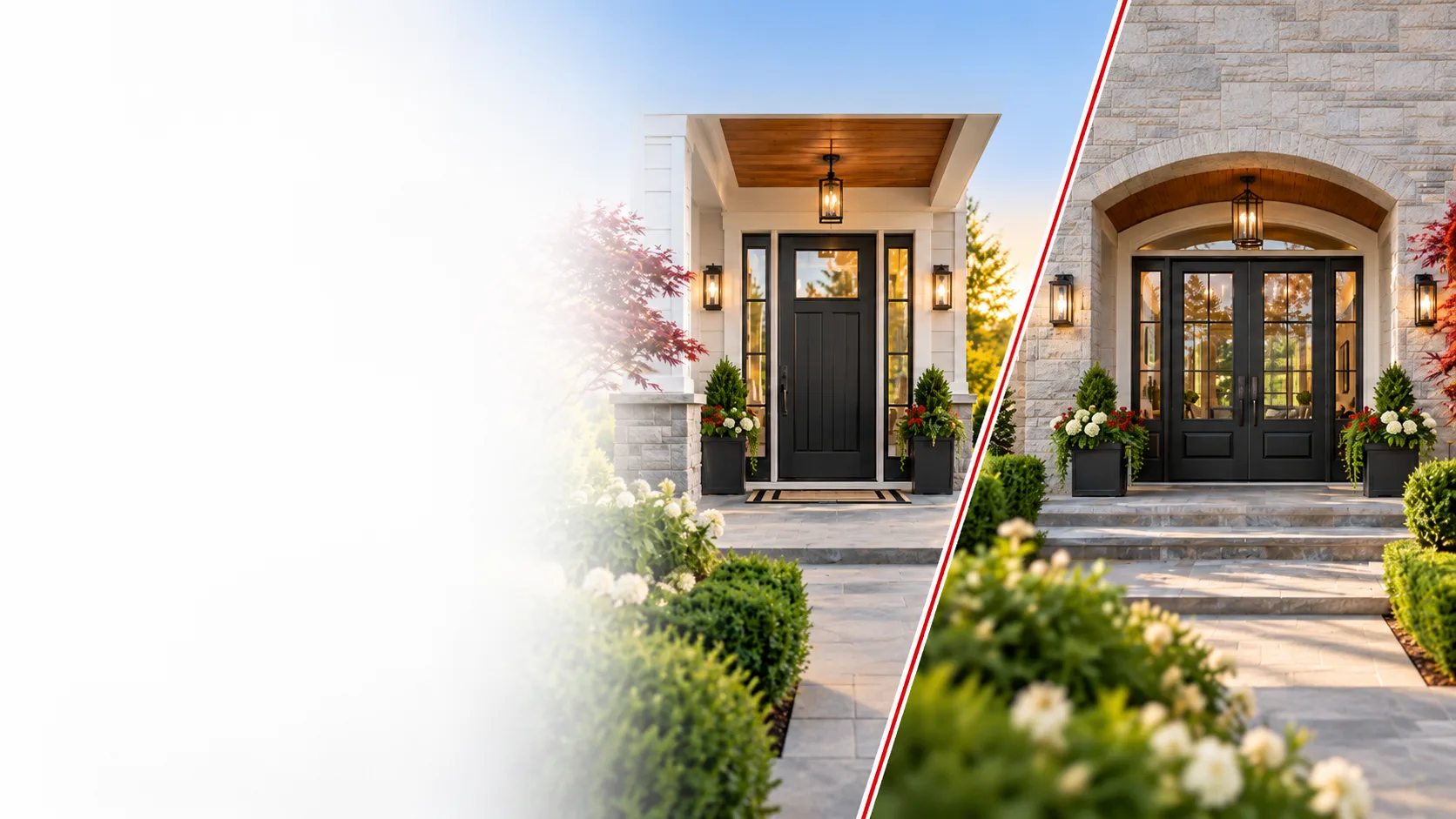
Find the right balance of entrance size, everyday convenience, daylight, and curb appeal for your home.
YOUR DOOR & WINDOW OFFER
+ an Additional $250 Off Your Entire Project
ProVia products only. Offer ends November 30, 2026. Ask our team about qualifying products, eligibility, and applicable terms.
Service and personal attention.
Guidance through your project.
A team focused on your home.
Careful measurements and fitting.
Compare complete-product ratings.
Read feedback from customers.
A single door often suits a compact entry and a simpler project. Double doors can create a wider visual entrance and, when both panels operate, more passage space. Start with measurements, structural conditions, and how you want to use the entry.
A single entry has one operating door panel. A double entry uses two panels, commonly with one active panel for everyday use and a second panel that can be released when needed. Exact hardware and operation vary by system.
Do not judge usable passage by the outside frame width alone. Ask for the clear opening with the everyday panel open and, for double doors, with both panels open.
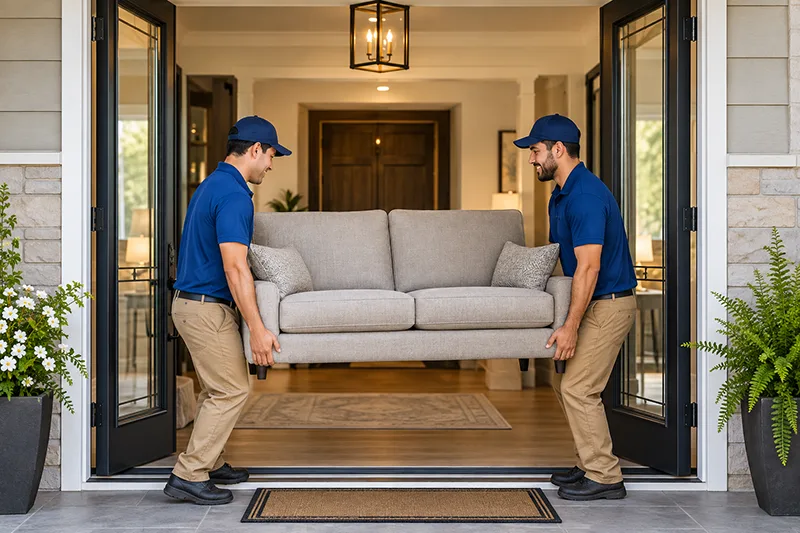
Single doors can be a good match for smaller foyers, narrow facades, and openings that already fit the home’s proportions. They can offer many panel designs, glass layouts, and hardware options without changing the width of the entry.
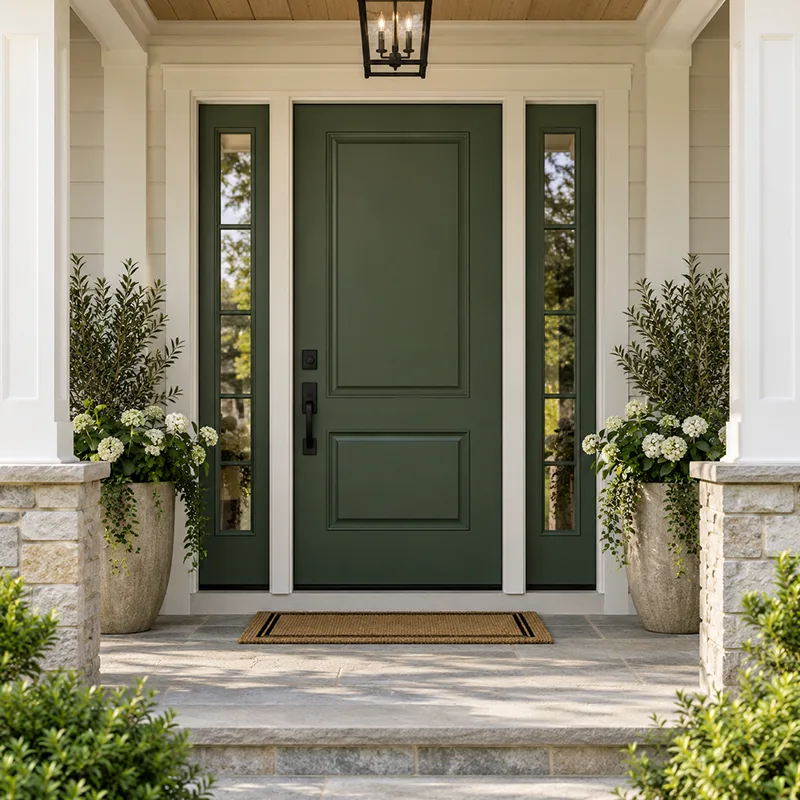
If you want more daylight or a broader visual frame, a single door with sidelites may be an alternative where the opening permits. Sidelites add glass but do not increase the door’s clear passage.
Double doors can complement a wider entrance and create a strong focal point. Systems with two operating panels can be helpful when moving furniture or welcoming groups, provided the interior and exterior clearances work.
Review how the secondary panel locks, how often it will be used, and the effort needed to operate the hardware. A wider assembly also changes the amount of finish, glass, and weather sealing to maintain.
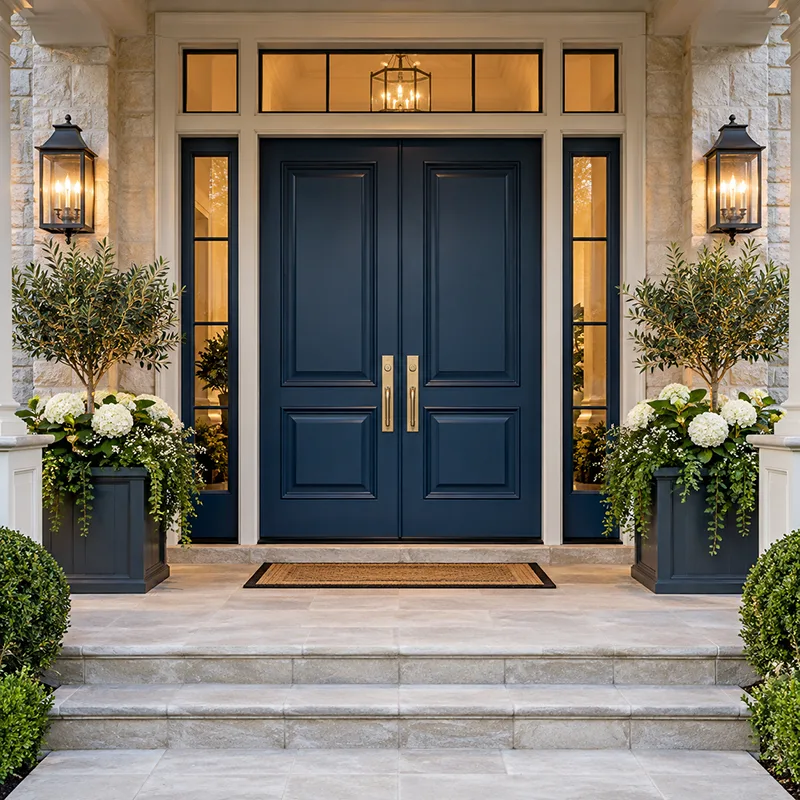
A larger door is not automatically a better design. Consider porch columns, rooflines, windows, steps, lighting, and the width of the facade. A single Craftsman-style door can make a confident statement; paired doors may suit a broad traditional or contemporary entry.
Use photos and product renderings to compare panel designs, color, hardware, and glass together. Coordinate the new entry with exterior materials while checking how it looks from inside the foyer.
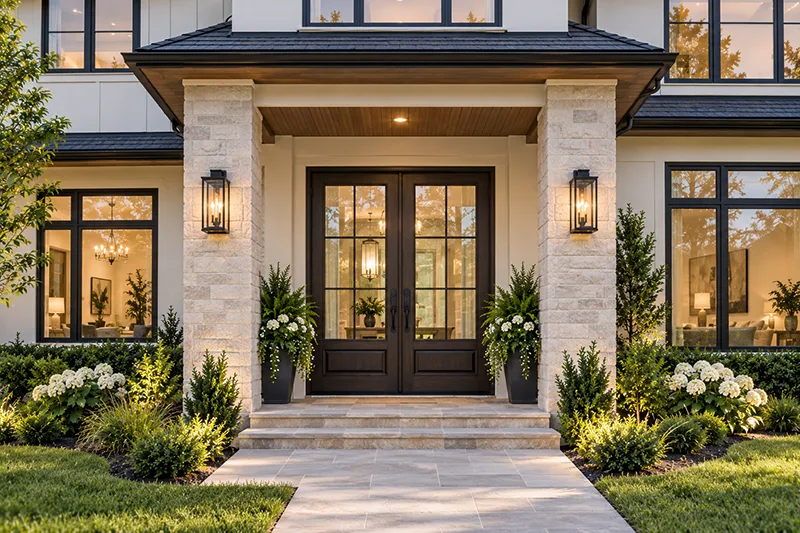
Single and double doors can be made with fiberglass or steel and offered with a range of glass options. Compare the full assembly’s energy ratings for the exact configuration. A glazed single door and a solid double door cannot be fairly compared by panel count alone.
Security depends on the door, frame, hinges, glazing, locks, and installation. For a paired entry, review the secondary panel’s locking hardware and the meeting point between the panels.
Choose privacy and decorative glass by viewing samples. The pattern and lighting conditions affect how much can be seen through the entry.
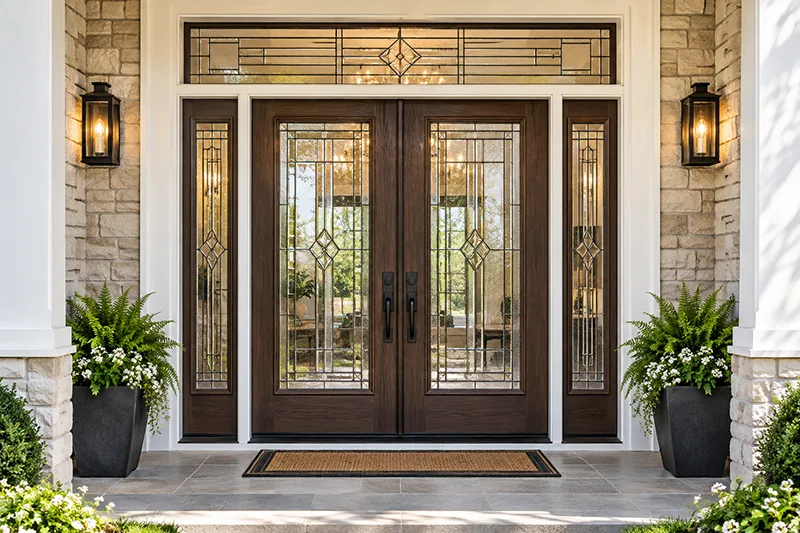
Replacing a single door with double doors may require widening the opening. That can involve framing, exterior finishes, interior trim, electrical relocation, or other construction. A professional assessment should establish feasibility and any permit requirements before a product is ordered.
Ask whether a single door with sidelites, a different glass layout, or another configuration could meet your goals within the existing opening. Have removal, disposal, repairs, sealing, and finish work clearly identified in the quote.
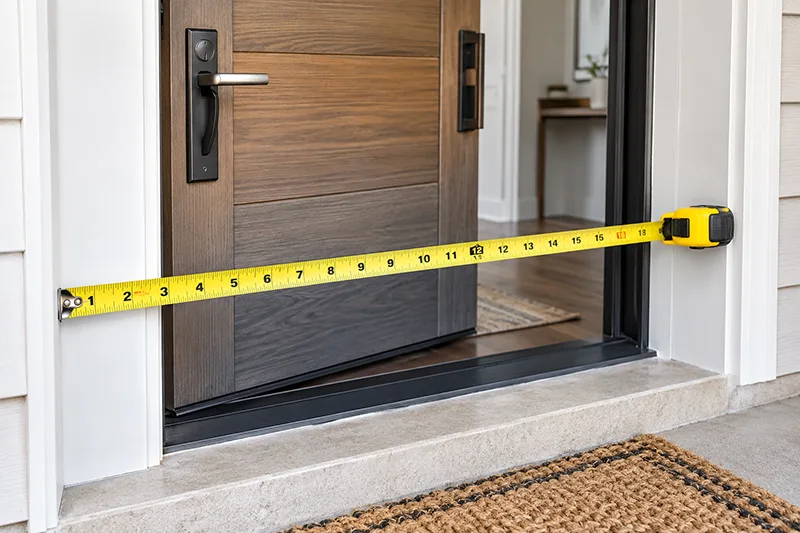
Compare complete project quotes rather than the price of a door slab. Size, material, glass, sidelites, hardware, finish, and opening changes all affect the installed price.
For either configuration, ask about cleaning, finish care, weatherstrip inspection, hardware adjustment, and warranty coverage. Choose the entrance you will enjoy using every day, with the space, appearance, and installation scope to support it.
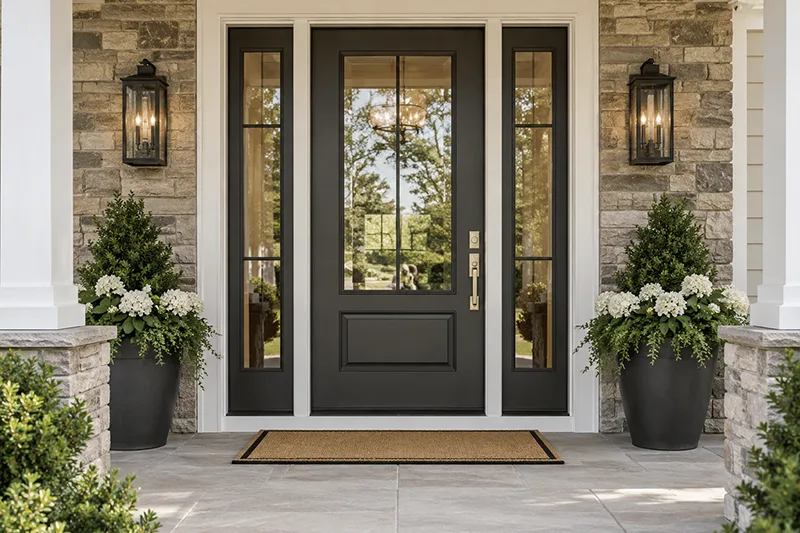
Review available styles and discuss the right configuration for your home.
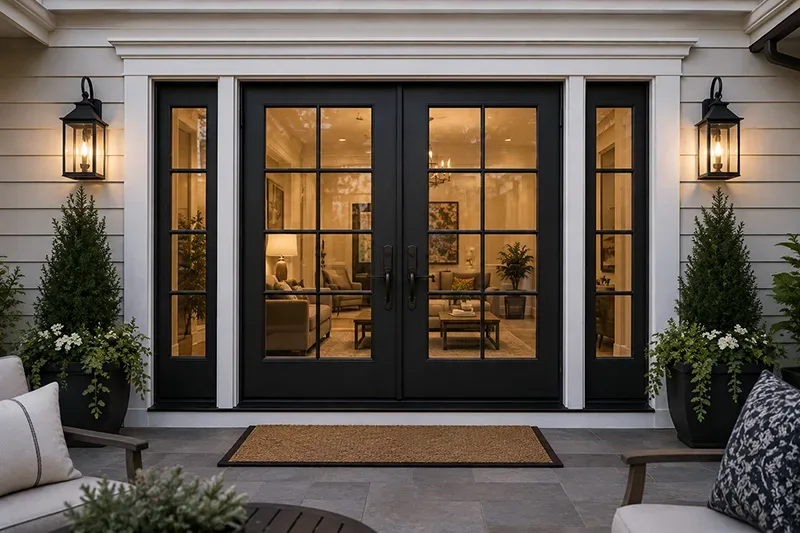
Review available styles and discuss the right configuration for your home.
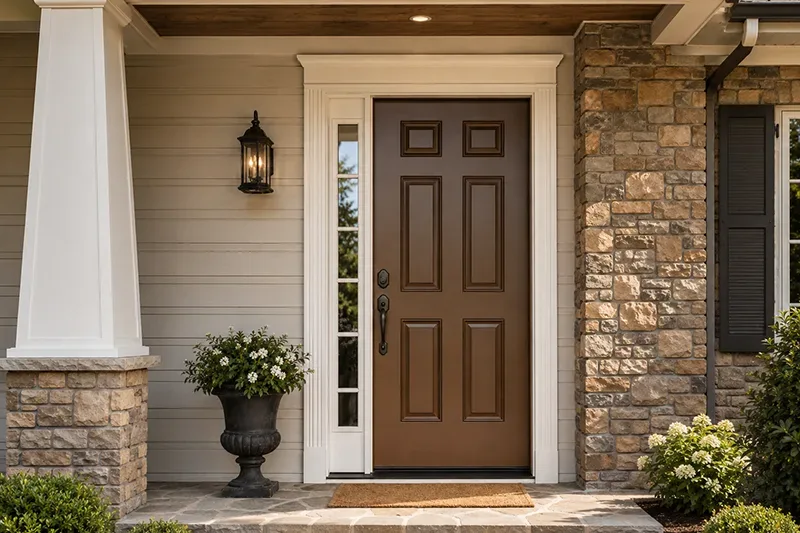
Review available styles and discuss the right configuration for your home.
They serve different priorities. Double doors can create a broader entrance; a single door can fit smaller spaces and an existing opening well. Compare daily use and the full project scope.
They often involve a larger assembly, but cost depends on size, material, glass, hardware, and installation. Opening changes can be a major cost factor.
Do not decide from panel count alone. Compare the rated performance of the exact single and double assemblies, including glass and seals.
A system with two operating panels may offer a wider passage. Confirm the clear opening and the route through the foyer before choosing.
Possibly, but widening an opening requires assessment of structure, clearances, and surrounding finishes. Ask about construction and permit requirements.
Sidelites can add daylight and visual width while retaining one operating panel. They do not provide extra clear passage. Compare both layouts for your opening.
Security depends on the complete system and installation. Review frame construction, glazing, locks, and secondary-panel hardware for the selected product.
Many systems have an active and a secondary panel, but operation varies. Confirm the specific configuration and how the secondary panel is released.
Many products offer glass options. Availability, privacy, and performance depend on the chosen style and configuration.
It may, if the proportions, opening, structure, and clearances work. A single door with thoughtful glass and hardware may also achieve the desired appearance.
The strongest result usually comes from matching the home’s proportions and architecture. Compare panel style, finish, glass, and surrounding trim together.
Bring photos, your design preferences, and a list of issues with the current door. Professional measurements will establish available configurations and installation scope.
Keep planning with these door and window guides.
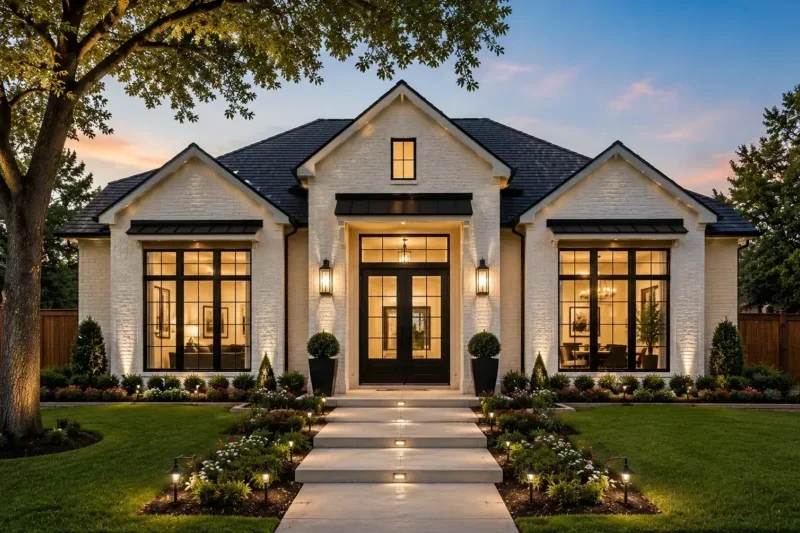
Explore common comfort problems and replacement signs.
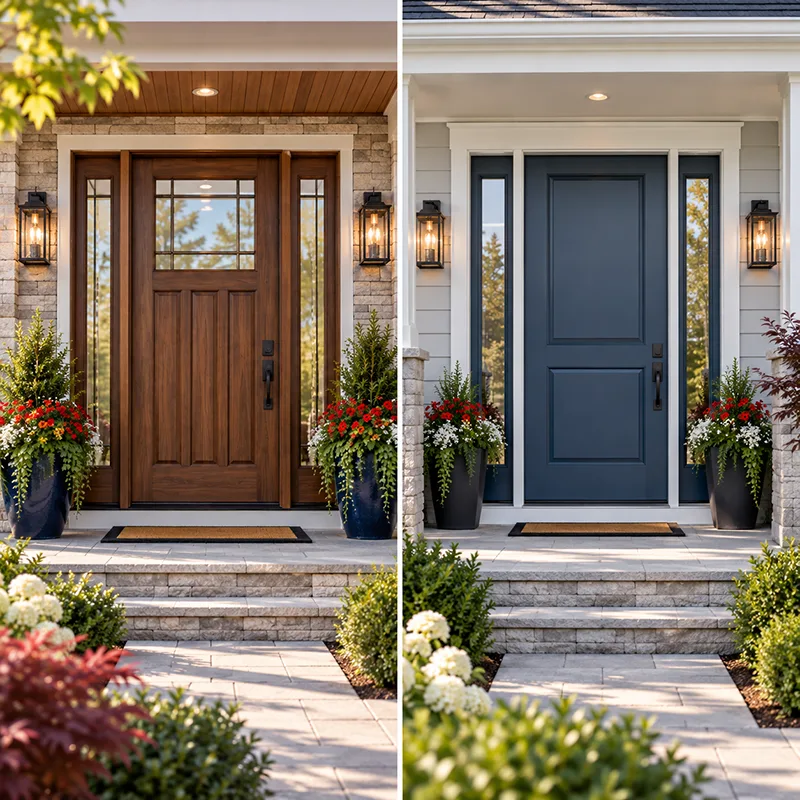
Compare appearance, maintenance, and material options.
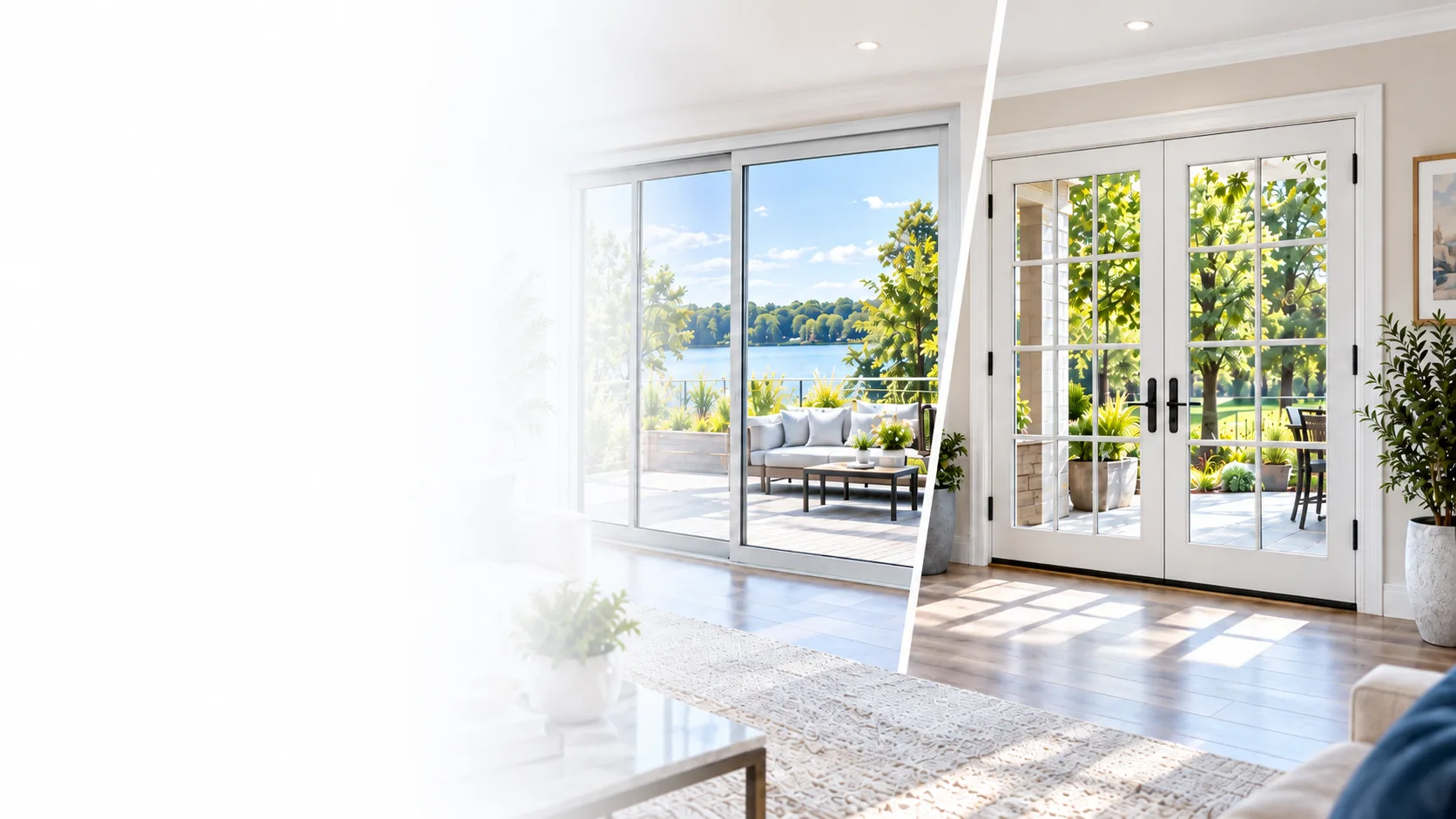
Compare space, views, and the way your patio door opens.
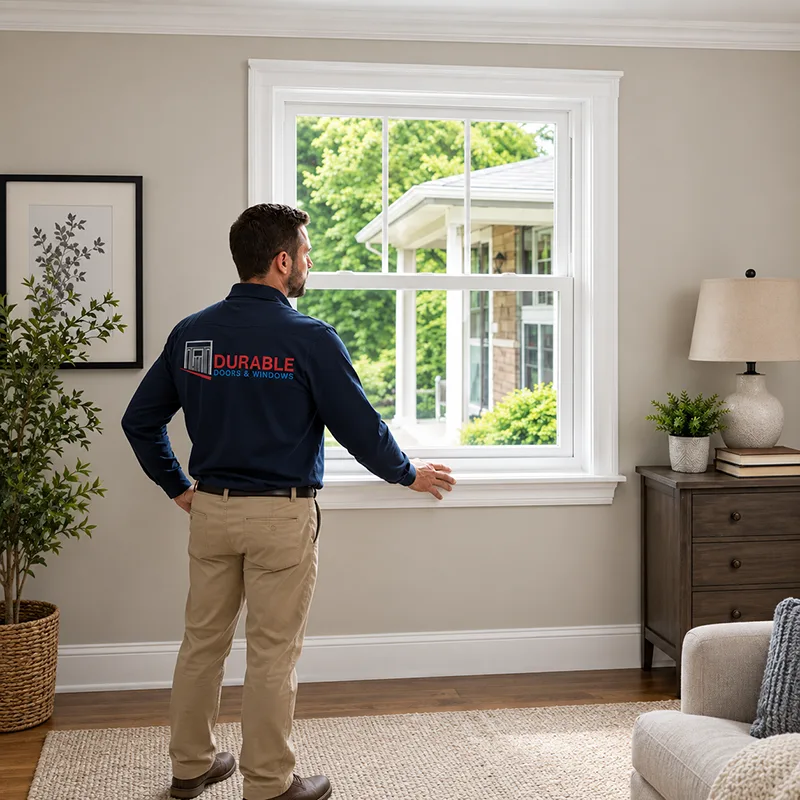
Explore window styles, glass, and room-by-room options.
Compare products, finishes, glass, and installation details with Durable Doors & Windows.
A consultation request does not confirm an appointment. Our team will contact you to coordinate the next step.
For more information about energy-performance labels and product selection, visit ENERGY STAR windows, doors, and skylights. Confirm specifications, care instructions, and warranty terms for the exact product selected.
